
Why Your Dog Stops Walking and How to Fix It
As a devoted pet owner, it can be alarming when your dog suddenly refuses to walk. Whether it's due to an injury, age, or other health concerns, understanding the reasons behind this change is crucial. In this blog post, we'll explore common causes for why your dog may stop walking and provide practical solutions to help restore their mobility. Remember, always prioritize your pet's safety and consult a veterinarian if you're unsure about their condition.
Common Reasons Dogs Stop Walking
There are several reasons why your dog may suddenly stop walking or show reluctance to move. Here are some common factors to consider:
- Pain or Injury: One of the most frequent reasons for a sudden change in mobility is pain, whether from an injury, arthritis, or other medical conditions.
- Fatigue: Dogs may become tired from strenuous activities or prolonged walks, especially if they are not accustomed to regular exercise.
- Age: Older dogs can experience various health issues, including joint stiffness and decreased energy levels, leading to reluctance to walk.
- Temperature: Extreme weather conditions, particularly heat, can make your dog less inclined to walk.
- Medical Conditions: Certain health issues like hip dysplasia or neurological problems can impact your dog's ability to walk.
Step-by-Step: What to Do When Your Dog Stops Walking
If your dog suddenly stops walking, follow these steps to identify and address the issue:
- Observe Your Dog: Watch for any signs of pain, limping, or unusual behavior. Take note of when the issue began and if it correlates with any activities.
- Check for Injuries: Gently examine your dog’s legs and paws for any visible injuries, swelling, or foreign objects that may be causing discomfort.
- Limit Activity: If your dog shows signs of pain, it’s essential to limit their activity. Rest is crucial for healing.
- Hydration and Nutrition: Ensure your dog is well-hydrated and continues to eat a balanced diet to support their overall health.
- Encourage Gentle Movement: If your dog seems comfortable, encourage them to take short, gentle walks to promote mobility.
- Consult Your Veterinarian: If the issue persists or worsens, it’s time to seek professional help. A veterinarian can diagnose and treat underlying problems.
Common Mistakes When Addressing Mobility Issues
Pet owners often make mistakes when trying to help their dogs who have stopped walking. Here are some common pitfalls to avoid:
- Ignoring Signs of Pain: Never disregard your dog’s discomfort. Signs like whimpering, reluctance to move, or protective behavior around certain areas warrant immediate attention.
- Overexertion: Pushing your dog to walk or exercise when they are in pain can worsen their condition. Always prioritize their comfort.
- Self-Diagnosing: While it may be tempting to search online for answers, remember that only a veterinarian can provide an accurate diagnosis.
- Neglecting Regular Check-Ups: Regular veterinary visits can help catch health issues before they escalate. Stay proactive about your dog’s health.
Pro Tips from Veterinary Experience
Drawing from my 15 years of veterinary experience, here are some practical tips to help your dog regain their mobility:
- Invest in Joint Supplements: For older dogs or those with joint issues, consider glucosamine or chondroitin supplements. Always consult your vet before starting any new supplement.
- Maintain a Healthy Weight: Excess weight can put additional strain on your dog’s joints. Ensure they are on a balanced diet and engage in regular, appropriate exercise.
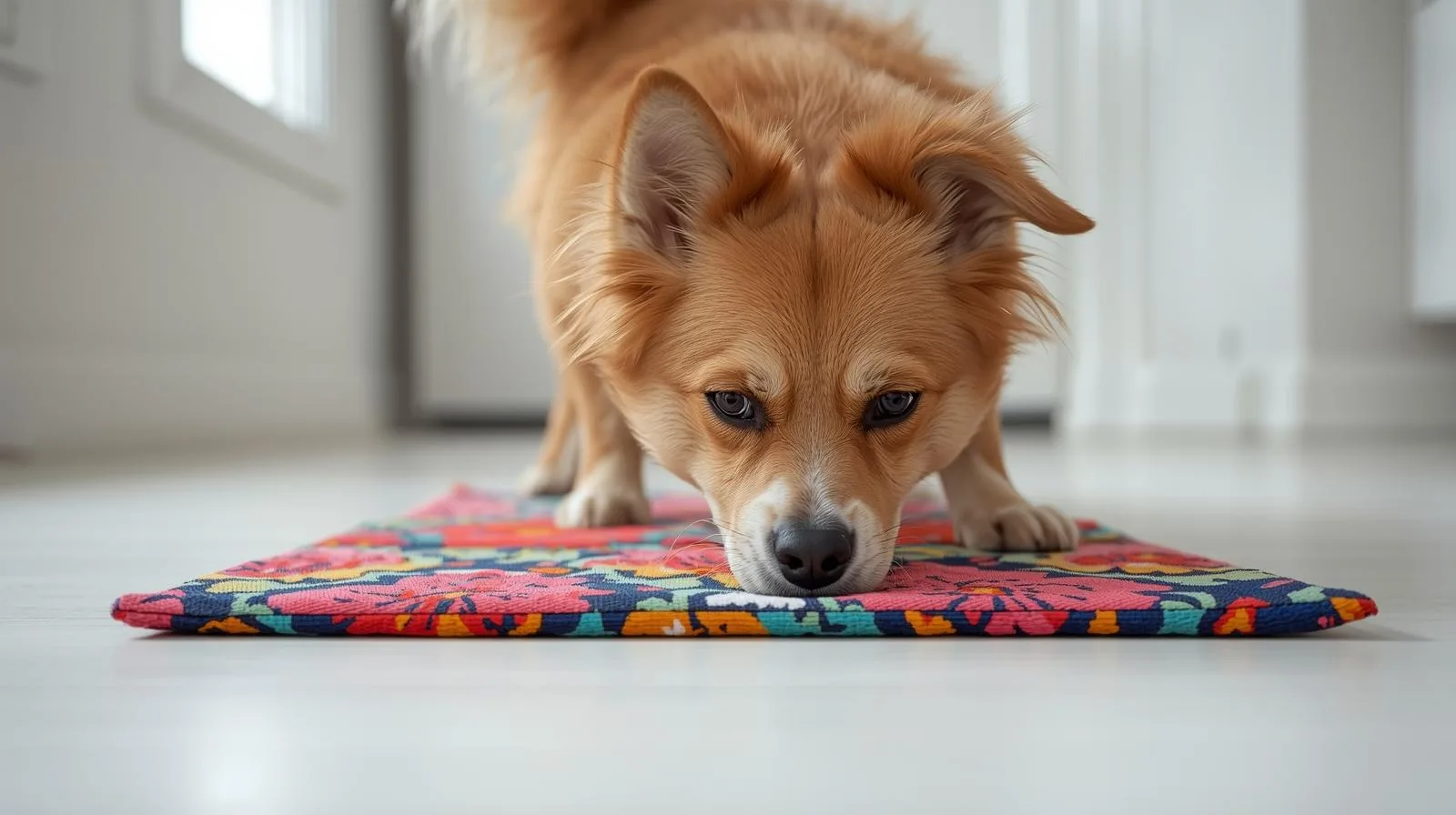
- Create a Comfortable Environment: Make sure your dog has a cozy place to rest, with easy access to food and water. Consider ramps or non-slip mats to assist mobility.
- Use a Support Harness: If your dog has severe mobility issues, a support harness can help them walk with more stability and confidence.
When to See a Vet
While some issues may resolve with rest and care, there are situations when you should consult a veterinarian immediately:
- If your dog is in severe pain or distress.
- If you notice swelling, bruising, or an obvious injury.
- If your dog refuses to eat or drink for more than 24 hours.
- If your dog has stopped walking suddenly and shows no signs of improvement.
FAQ
1. Why does my dog stop walking suddenly?
There can be many reasons, including pain from injury, fatigue, age-related issues, or underlying medical conditions. Always observe your dog's behavior and consult a vet if you're concerned.
2. How can I help my dog that refuses to walk?
Start by observing their behavior, checking for injuries, and providing rest. Encourage gentle movement if possible. If the situation does not improve, consult a veterinarian for further evaluation.
3. Can weather affect my dog's willingness to walk?
Yes, extreme heat or cold can impact your dog's comfort and willingness to walk. Always consider the weather conditions and adjust your walking routine accordingly.
4. Should I give my dog pain relief medication?
Never give your dog any medication without consulting your veterinarian. Some human medications can be toxic to pets. Always seek professional advice for pain management.
Conclusion
Seeing your dog stop walking can be distressing, but understanding the underlying causes and taking appropriate action can make a significant difference. Remember to observe your dog's behavior, provide a comfortable environment, and prioritize their well-being. When in doubt, don’t hesitate to consult your veterinarian for a thorough evaluation and personalized care plan. With your love and attention, you can help your furry friend regain their joy in movement.


0 Comments
No comments yet. Be the first to share your thoughts!
Leave a Comment